Digital Signage for Fast Casual Dining — Elevate the Modern Restaurant Experience
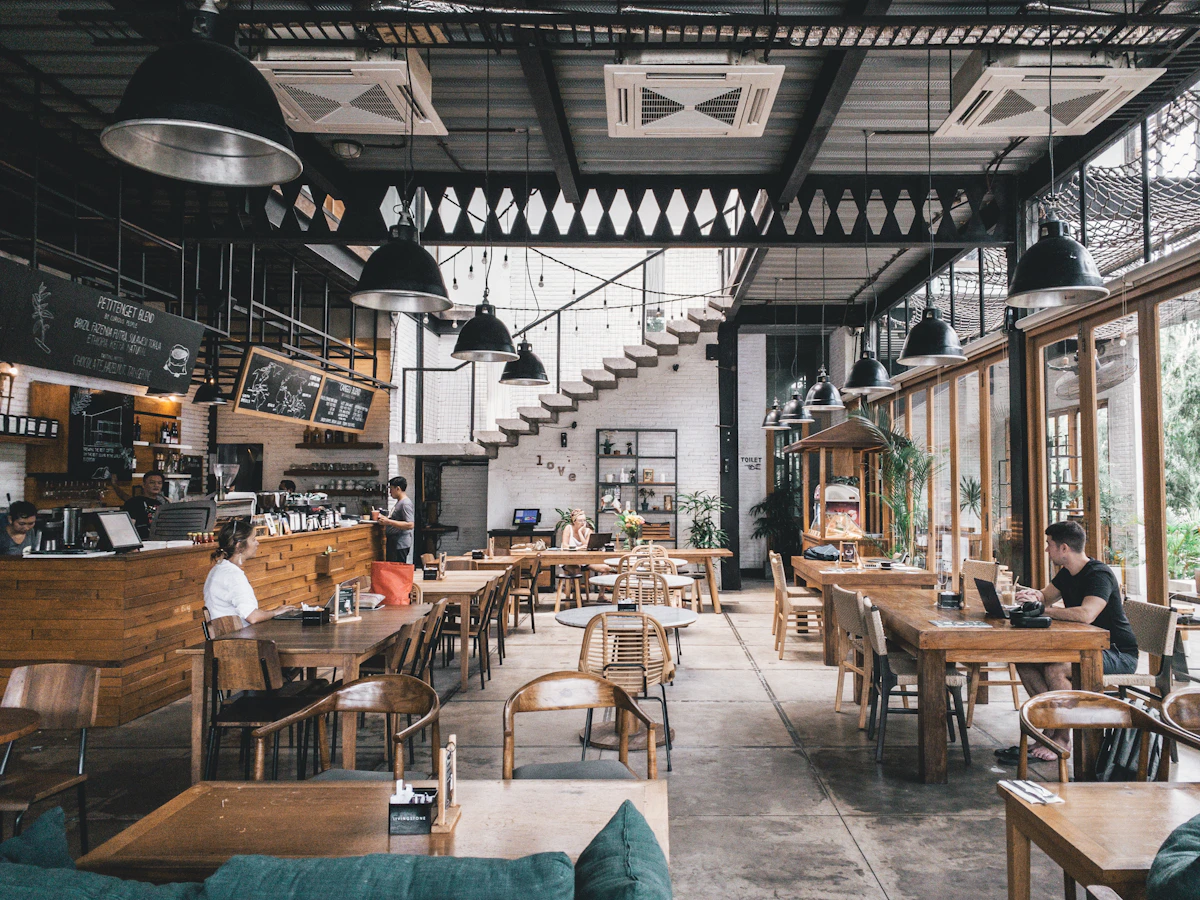
Fast Casual: Where QSR Meets Full Service
Fast casual occupies the space between quick service (walk to counter, grab food, leave) and full service (sit down, waiter takes order, meal is brought to you). It promises better food quality and a more pleasant environment than QSR, but at lower prices and with faster service than full service.
Digital signage helps fast casual brands deliver on this promise — better food presentation, clearer ordering, faster service — while also justifying the price premium through environmental investment.
Menu Board Presentation
Fast casual menus are more complex than QSR. There are more items, more customisation options, and descriptions matter more (customers are paying more and want to understand what they’re getting).
Best practices for fast casual menu boards:
Photography — High-quality, styled photography for signature items. Fast casual customers expect to see what they’re ordering. The photography quality signals the food quality.
Descriptions — Short, appetising descriptions (“Slow-roasted for 12 hours, served with house-made aioli”) justify the price and set expectations.
Allergen information — Clearly displayed for all items. The Alliance’s allergen display template meets UK/EU legal requirements.
Customisation guide — If your menu is customisable (choose your base, protein, sauce, toppings), a visual customisation guide reduces ordering time and errors.
Order Status and Paging
Fast casual typically involves counter ordering and table service. Digital screens bridging the counter and the dining room:
Order status board — Shows ticket numbers with current status (preparing, nearly ready, ready). Customers know when to expect their food without checking their phone or asking staff.
Number calling — When an order is ready, the customer’s number flashes on screen (and optionally triggers a buzzer on the customer’s pager). Clean, efficient, no shouting.
Table numbering — If orders are delivered to the table, digital screens in the dining room display table assignments for new orders.
Ambience and Lifestyle Content
The dining area screens serve a different purpose from the menu boards. They create atmosphere and reinforce the brand’s identity:
- Ingredients sourcing video (“Our beef comes from farms within 50 miles”)
- Seasonal produce showcases
- Brand story content
- Chef spotlights
- Local community connection
This content reinforces the premium positioning and gives diners something to watch while they wait.
Table Talker Replacement
Traditional paper table talkers (the small tent-card promotions on each table) are expensive to produce and labour-intensive to replace. Small tablet screens on tables — or screens in table line-of-sight — replace these with dynamic content:
- Dessert and drinks promotions
- Loyalty programme sign-up
- Allergen information QR code
- Survey link for feedback
Special Dietary Filtering
Interactive menu kiosks or QR code-linked menus allow customers to filter the menu by dietary requirement (vegan, gluten-free, nut-free) and see only compatible options. This reduces counter staff time answering dietary questions and improves the experience for customers with dietary needs.
Integration with Kitchen Display Systems
A seamless connection from menu board to kitchen:
- Customer orders at counter
- Order displayed on KDS (kitchen display system) in real time
- Prep time tracked from order placement
- Status updates fed to customer-facing order status screen
- When ready: “Order 247 — counter collection” displays on the screen
The Alliance integrates with leading restaurant technology platforms (Toast, Square, Lightspeed, NCR Aloha) for end-to-end order management visibility.
Seasonal and Limited-Time Offers
Fast casual brands run regular LTO (limited-time offer) campaigns to drive visits and trial. The Alliance’s scheduling system makes LTO management effortless:
- Load the LTO content in advance with a specific start and end date
- Content goes live automatically, no last-minute printing
- LTO ends automatically, no risk of showing expired promotions
- Push to all locations simultaneously, ensuring launch day consistency