Digital Signage for Veterinary Clinics and Animal Hospitals
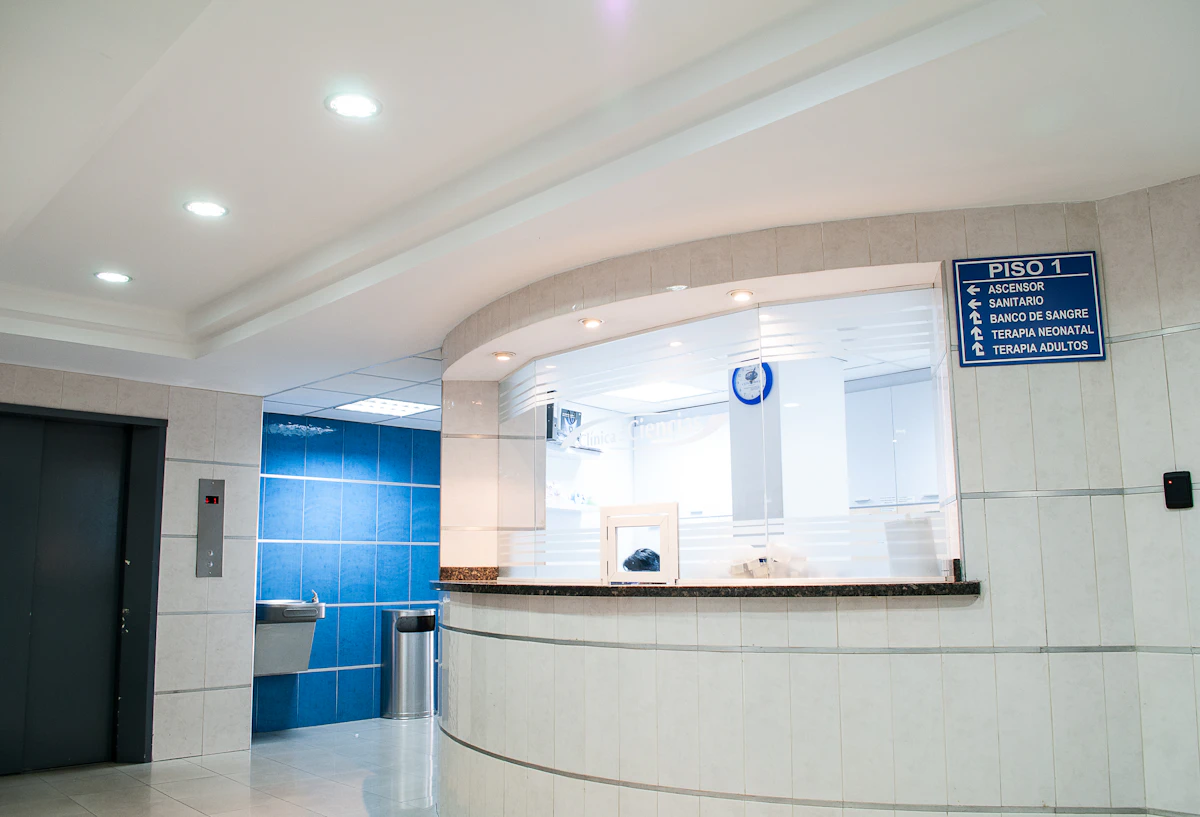
The Vet Waiting Room
A veterinary waiting room is stressful for both pets and their owners. Animals may be in pain, frightened by unfamiliar smells, or agitated by other animals. Owners are worried about their pet’s health and uncertain about costs.
Digital signage in a vet waiting room serves a different function than in most commercial settings: it must calm and reassure, not just inform and promote.
Content Strategy: Calm First
What works:
- Nature scenes: birds, fish, gentle outdoor scenes (genuinely calms anxious dogs and cats)
- Soft music (displayed title so owners know what’s playing)
- Pet welfare tips that feel like help, not upselling
- Wait time display (“Dr. Chen will see Bella in approximately 8 minutes”)
- Wellness calendar (vaccination reminders, flea treatment timing)
What to avoid:
- Loud music or jarring animations
- Content showing animals in distress
- Aggressive upselling of non-essential products
- Dense medical text that creates anxiety
Service and Preventive Care Promotion
Preventive care is better for pets and better for practice economics. Digital screens promote preventive services at the moment when owners are thinking about their pet’s health:
- Annual vaccination reminders
- Dental health month (February is National Pet Dental Month)
- Flea, tick, and worming prevention
- Neutering and microchipping
- Pet health insurance
- Senior pet health checks
The tone should be educational and caring, not commercial.
Pet Health Education
Short, animated educational content helps owners understand:
- Signs of dental disease in cats and dogs
- How to tell if your pet is overweight
- When to call the vet vs. when to wait
- Post-operative care basics
- Toxic foods and plants to avoid
Clients who understand preventive care better make better decisions for their pets — and schedule appropriate appointments.
Queue Management
A ticket-based queue system with screen display reduces counter pressure and owner anxiety:
- Patients called by pet name and owner surname initial (“Bella M.”)
- Estimated wait time displayed
- Room assignment shown when the vet is ready
Retail Product Promotion
Prescription food, preventive treatments, and pet accessories are legitimate and valuable products that owners may not know to ask for. Digital screens in the waiting area can display:
- Prescription diet information for specific conditions (diabetes, kidney disease, weight management)
- Parasite prevention product ranges
- New product arrivals
Avoid pressure-selling tactics. The tone should always be “this might help your pet” rather than “buy this.”
Practice Introduction
For new clients, a practice introduction builds confidence:
- Meet the veterinary team (photos, names, special interests)
- Practice accreditations and awards
- Out-of-hours emergency arrangements
- Practice policies (parking, payment, prescription pick-up)
Microchipping and Lost Pets
A local lost pet board on the waiting room screen — dogs and cats reported lost locally — creates genuine community goodwill and may reunite pets with owners. Partner with local rescue groups and councils to populate the feed.